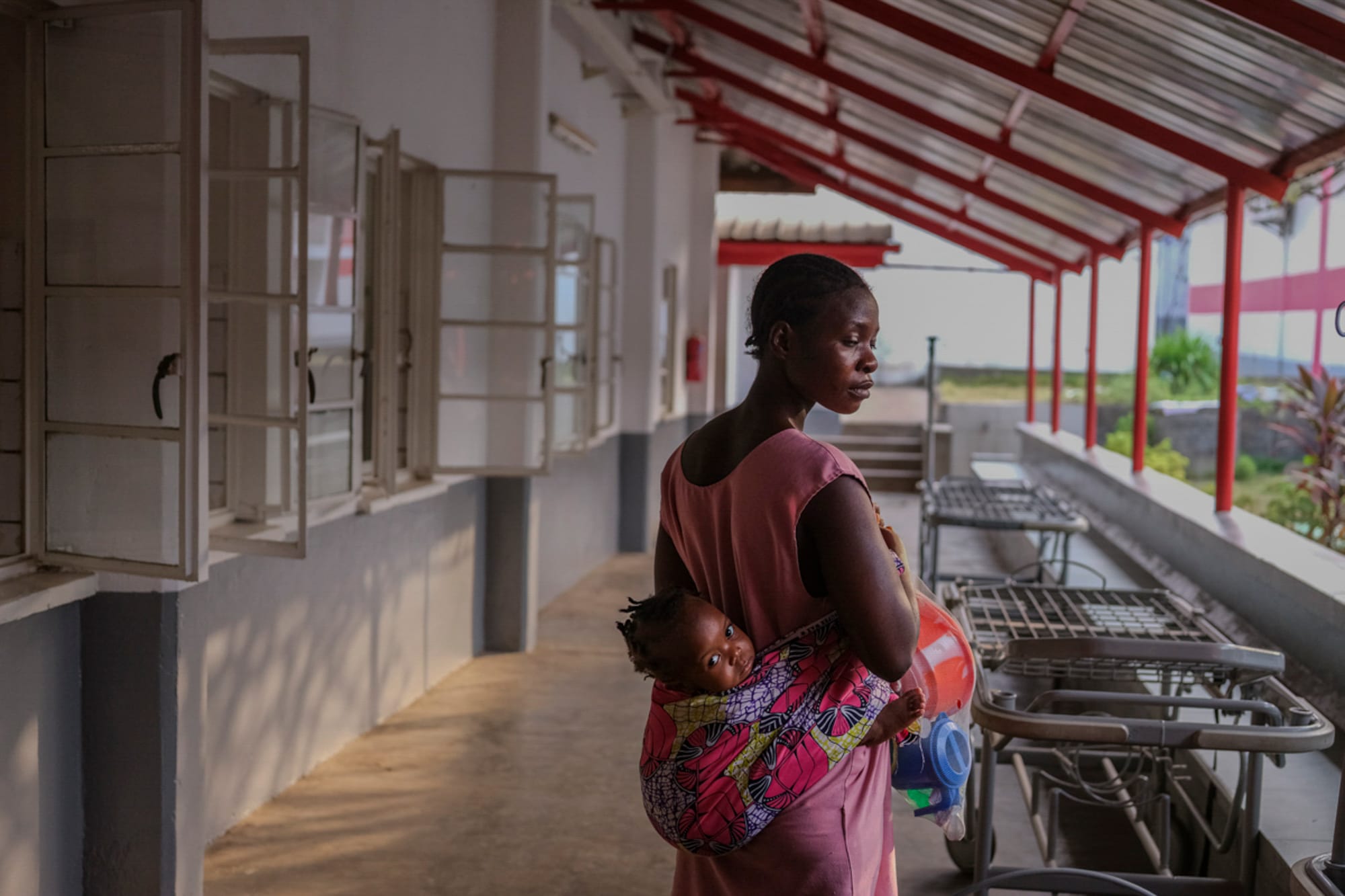
A mother walks along an outdoor corridor of EMERGENCY Hospital with her child, a young patient recovering from caustic soda ingestion. EMERGENCY’s Surgical Centre in Goderich, located just outside Freetown, was established in 2001 as a trauma center in response to the devastating effects of Sierra Leone’s decade-long civil war. Initially, the hospital focused on urgent and war-related surgeries, but over time, its admission criteria expanded to meet the country’s growing healthcare needs. Today, the center provides a wide range of surgical treatments, including traumatology, emergency procedures for conditions such as hernias and intestinal perforations, and elective surgeries. In addition to these services, the hospital operates the only program in Sierra Leone dedicated to treating burns caused by the accidental ingestion of caustic soda, a serious and unfortunately common medical issue.
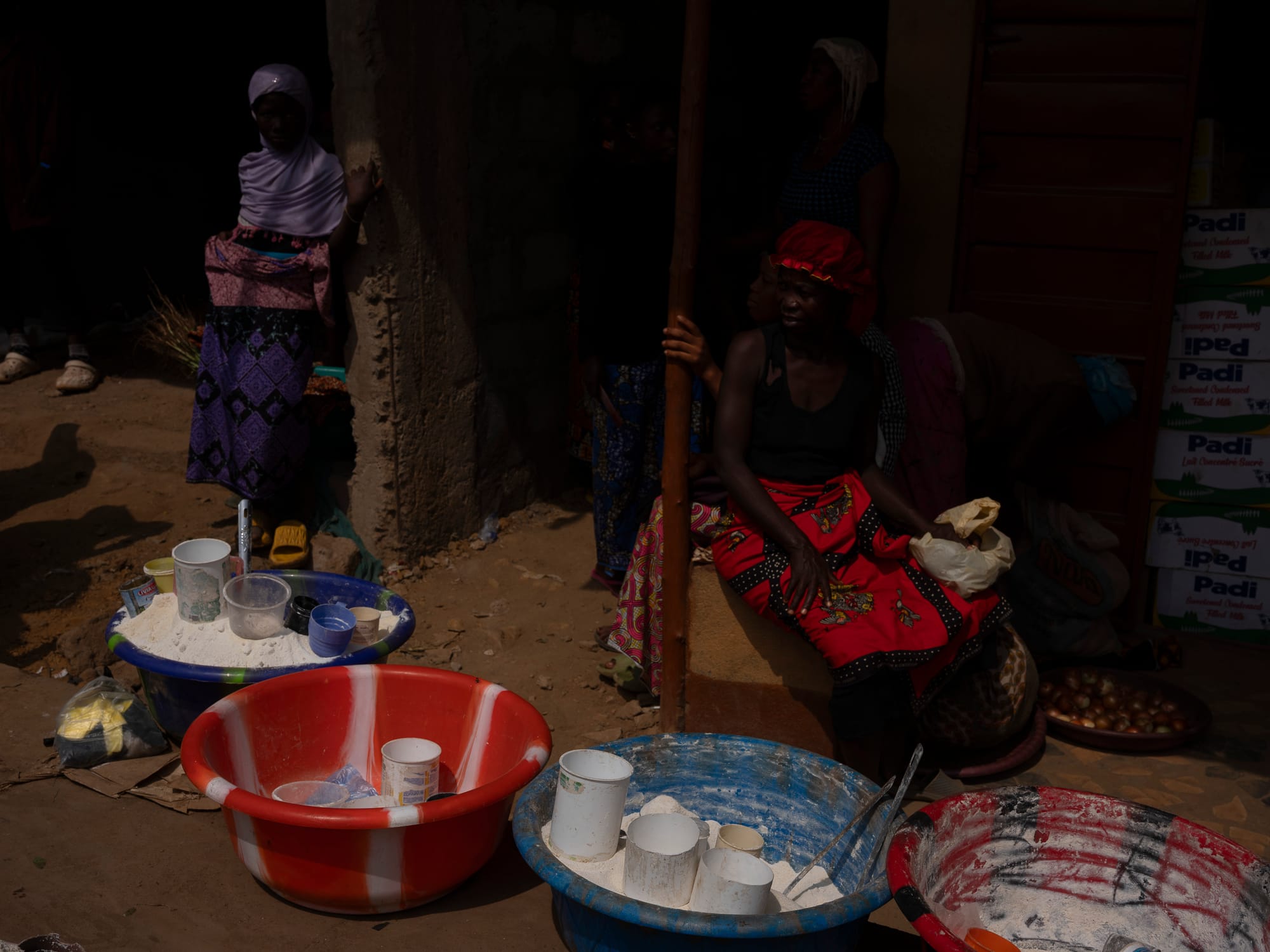
In Sierra Leone, producing African soap is a lifeline for many families. Made with caustic soda, water, and palm oil, this affordable product is a staple for laundry and personal hygiene, despite its harsh smell and lack of skin benefits. Families like Aminata’s contribute to small-scale businesses, assisting their mothers and aunts in crafting soap sold at local markets. For women, this income is vital to support their households, and with slight tweaks to its formula, the soap doubles as shampoo.
However, the same caustic soda that makes this soap accessible also poses a severe risk. Accidental or intentional ingestion—particularly by children—can cause devastating burns and trauma. At EMERGENCY Hospital in Goderich, Sierra Leone’s only facility specializing in soda-related injuries, medical teams tirelessly treat these cases. Children arrive with severe burns, often from accidental consumption, though some, like Aminata, suffer from intentional harm by mothers driven to despair by poverty or domestic violence.
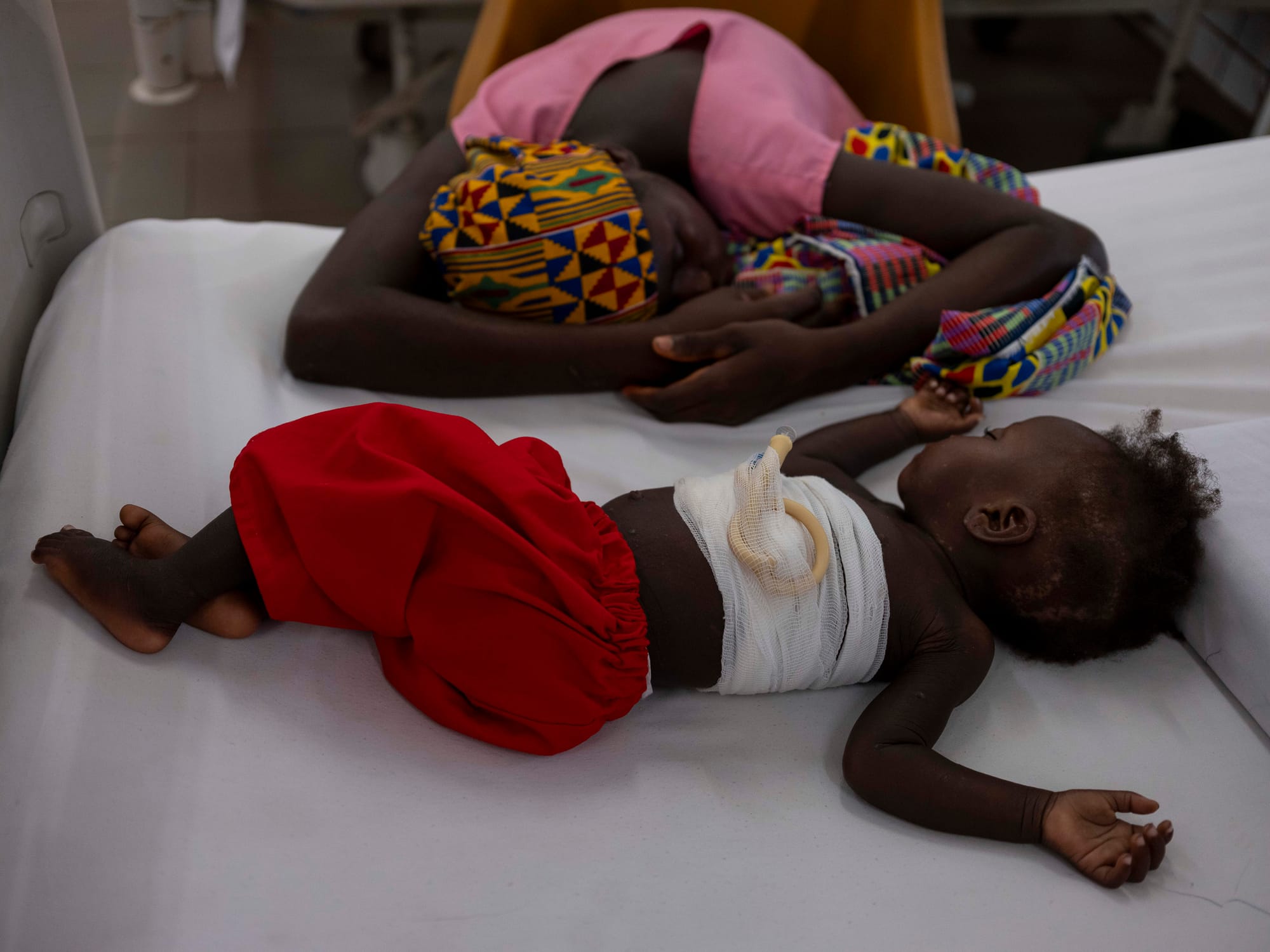
The hospital provides critical care, including surgeries and esophageal dilation to help children recover and, when successful, remove gastrostomy tubes so they can eat and drink normally again. Yet, while physical wounds may heal, the emotional scars linger. Poverty, violence, and a lack of mental health support trap many families in a cycle of hardship.
The "Soda Program" began in 2005, and in 2024, the Center performed a total of 546 surgical procedures for the treatment of corrosive esophageal injuries. Despite resource constraints, EMERGENCY Hospital remains a beacon of hope, offering specialized trauma and burn care unavailable elsewhere in the country. In a nation where reliance on cheap goods like African soap reflects a broader fight for survival, the hospital provides not just treatment but a chance at recovery and a better future. Addressing this crisis, however, demands more than medical intervention—it requires tackling the intertwined issues of poverty, education, and emotional well-being.
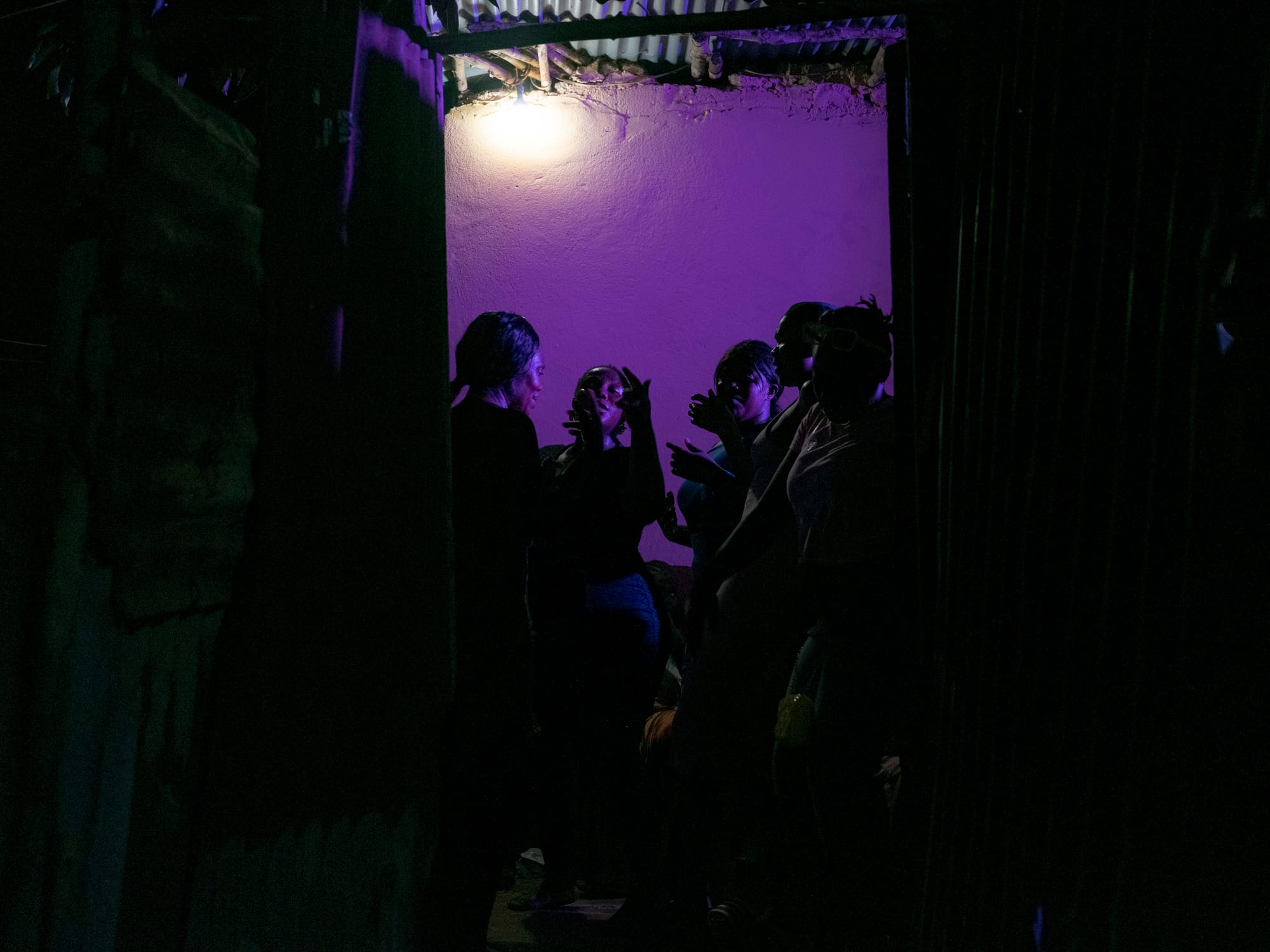
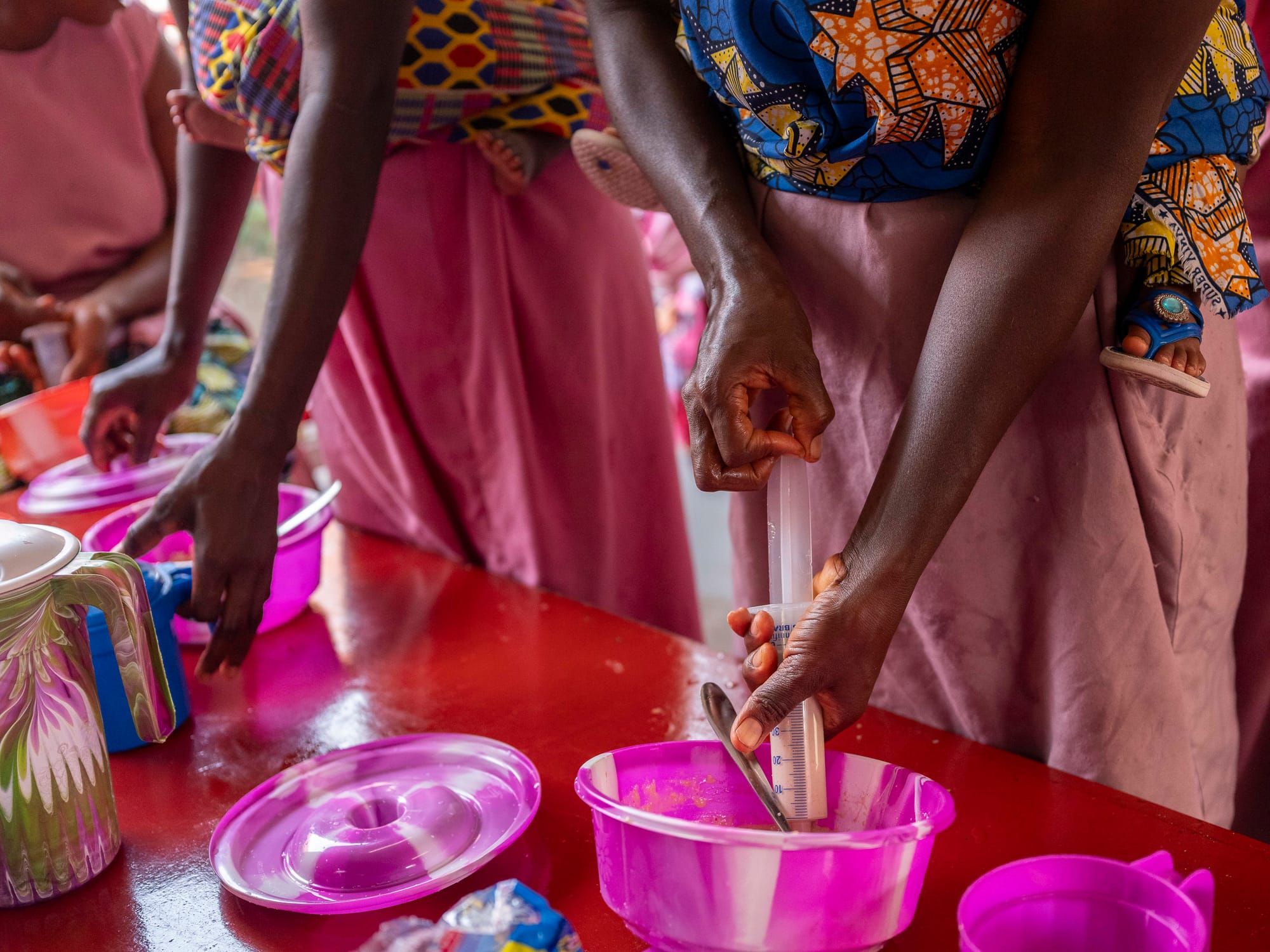
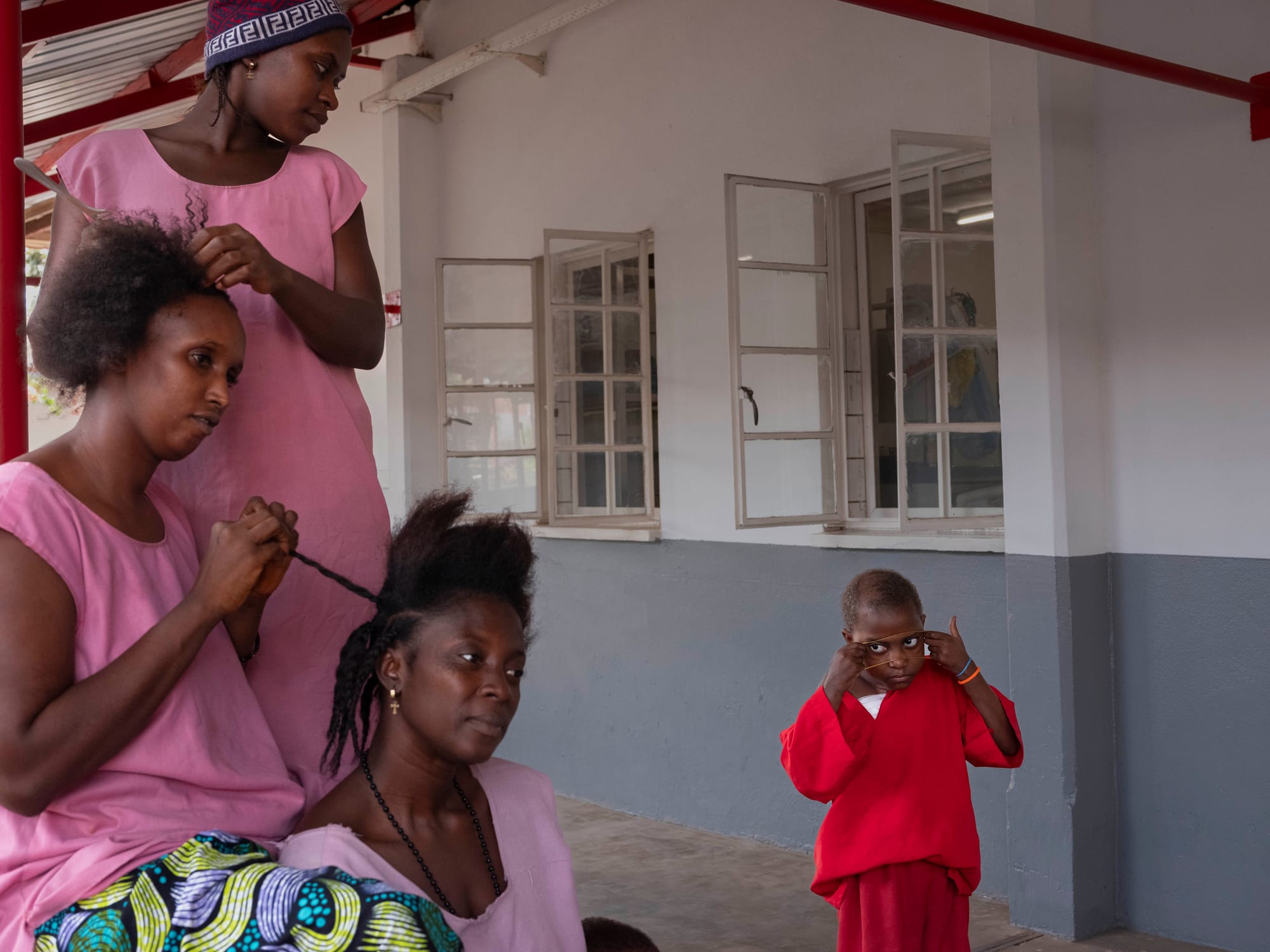
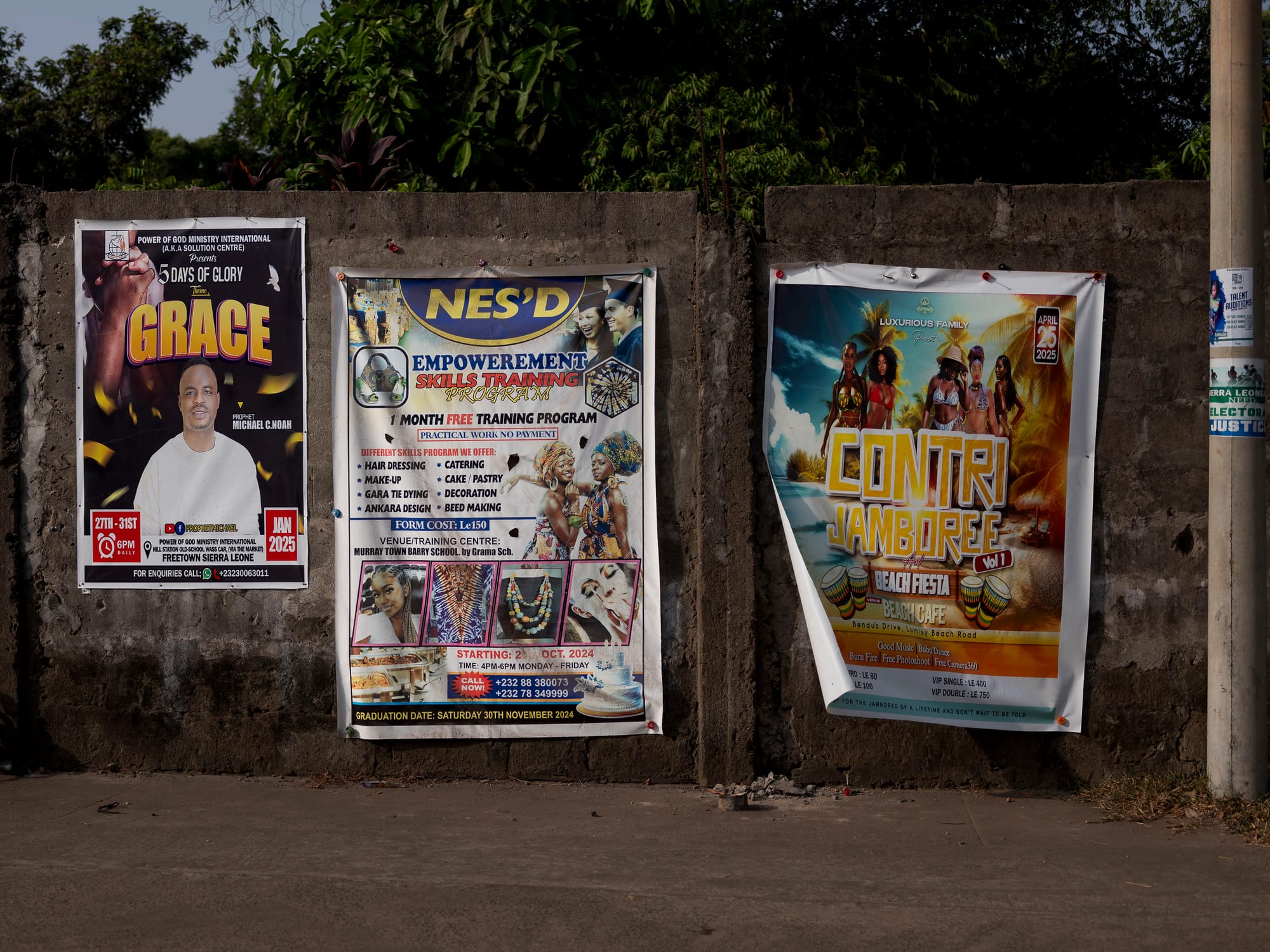
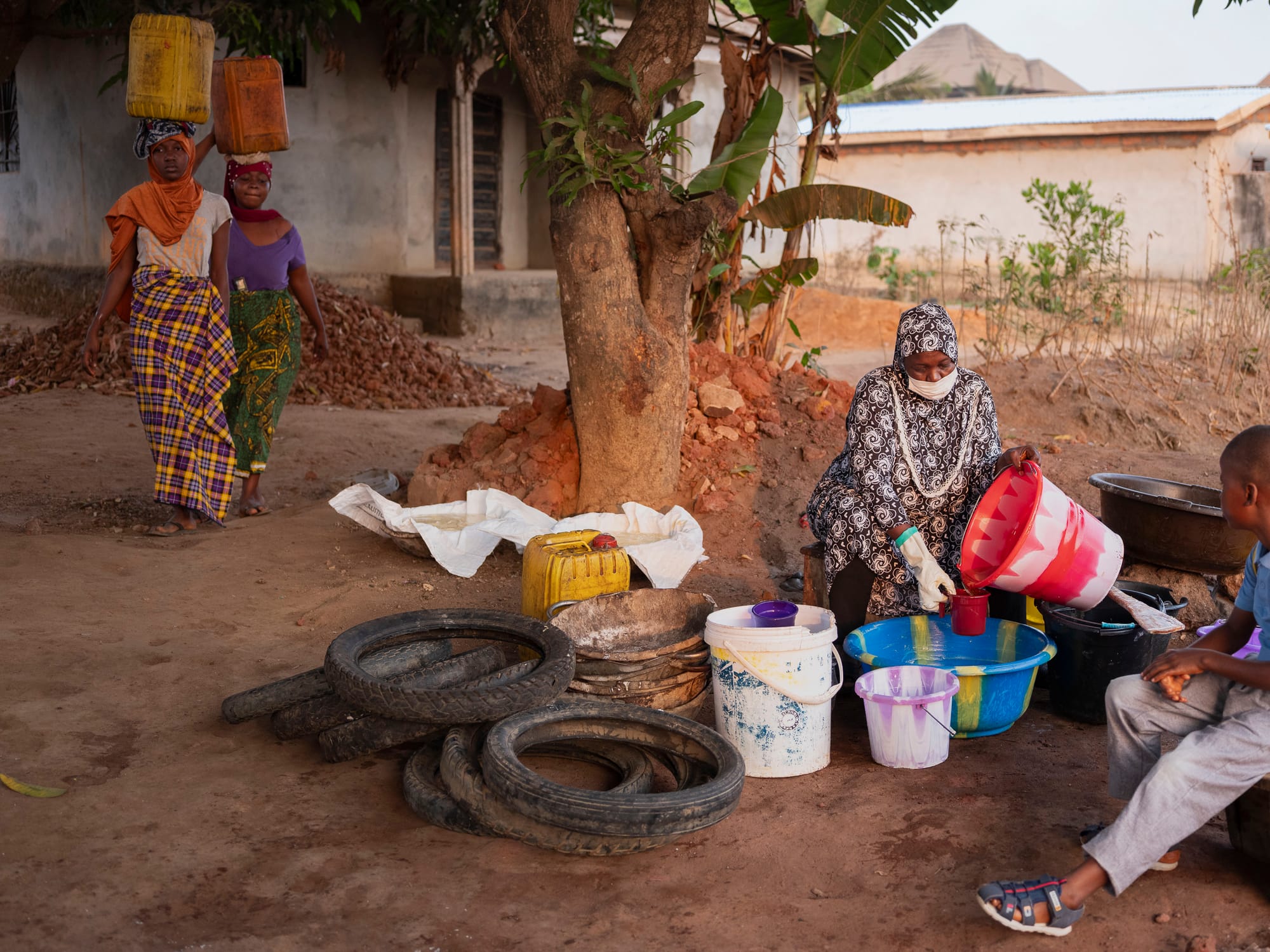
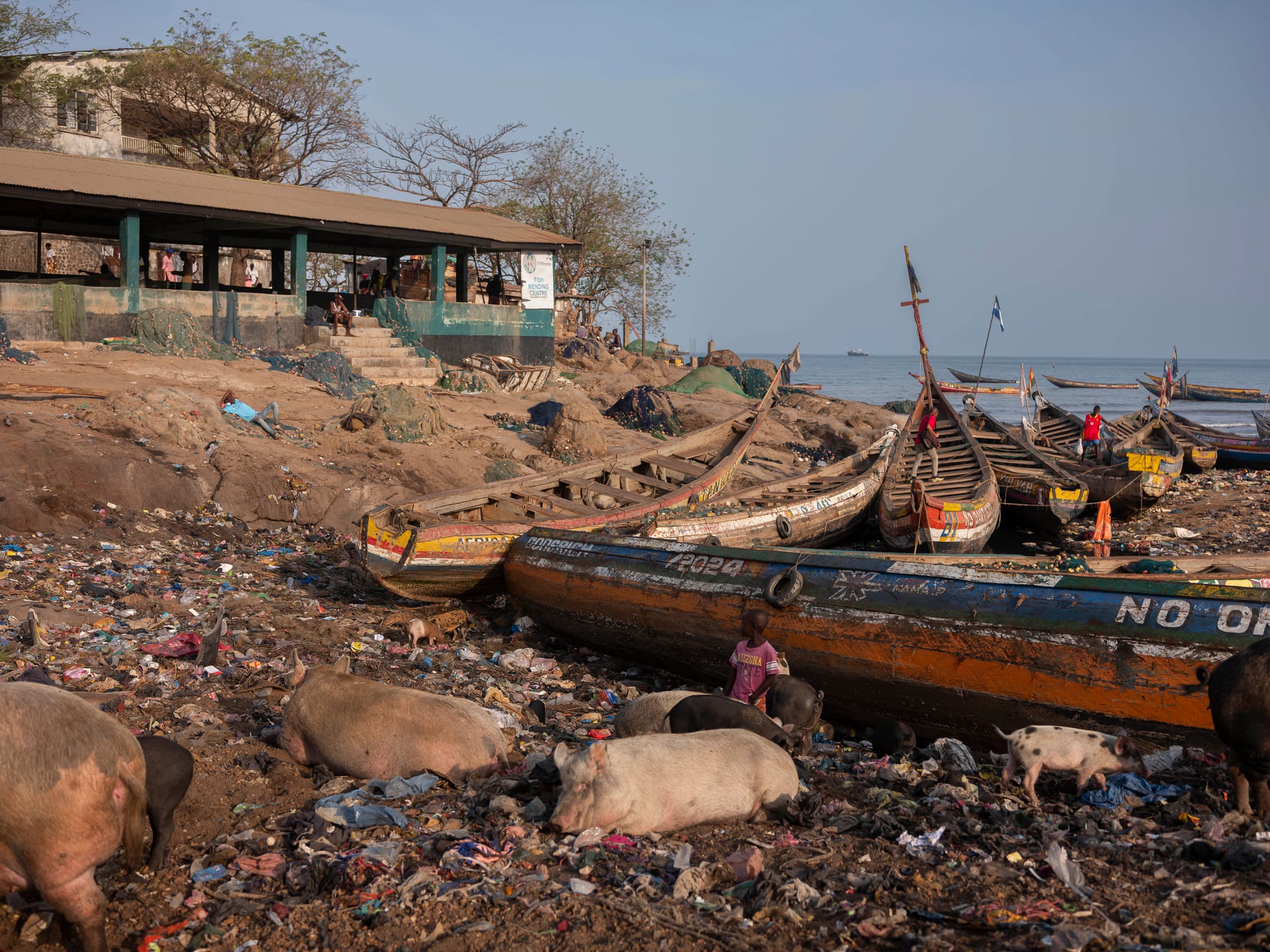
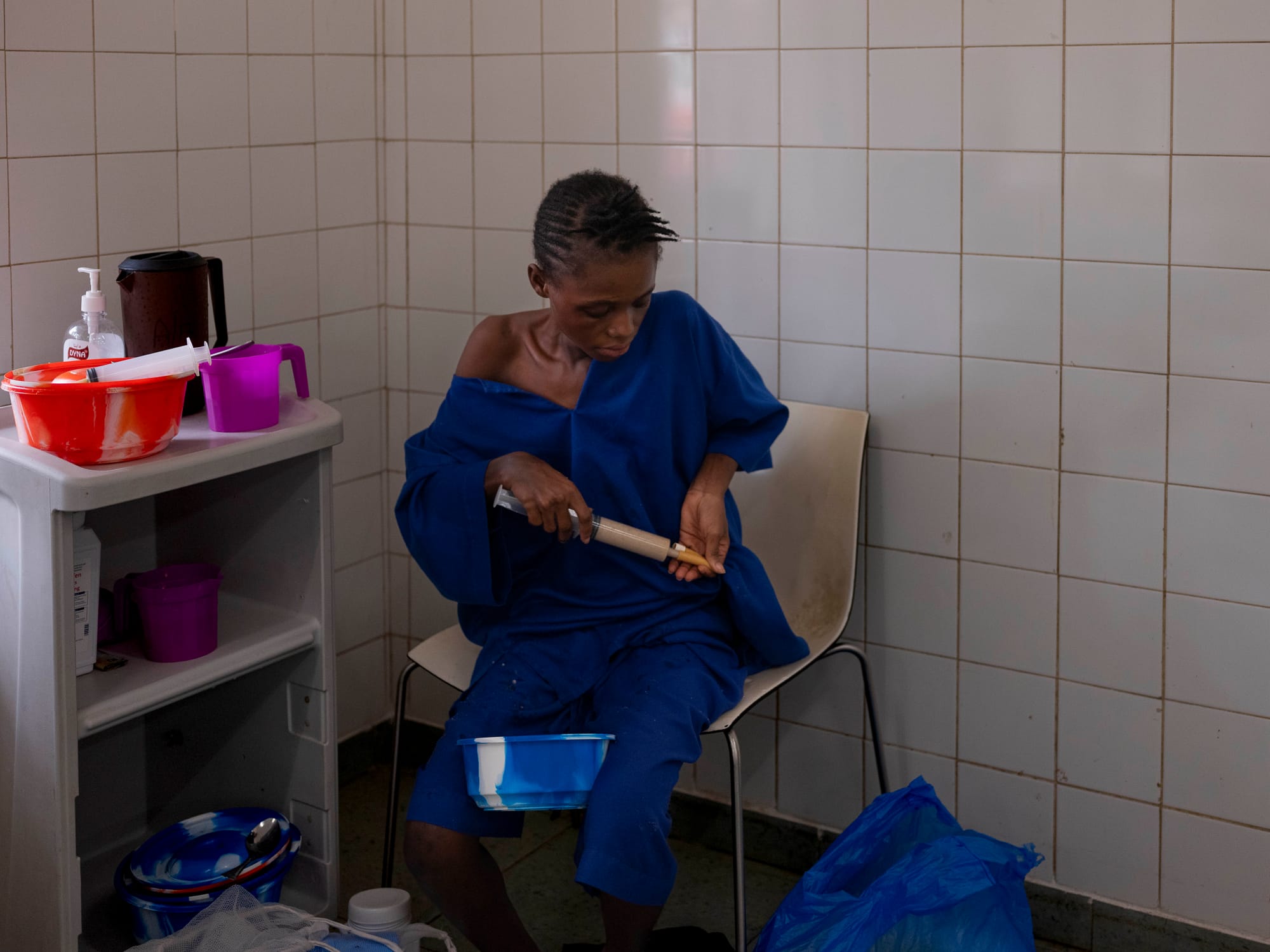
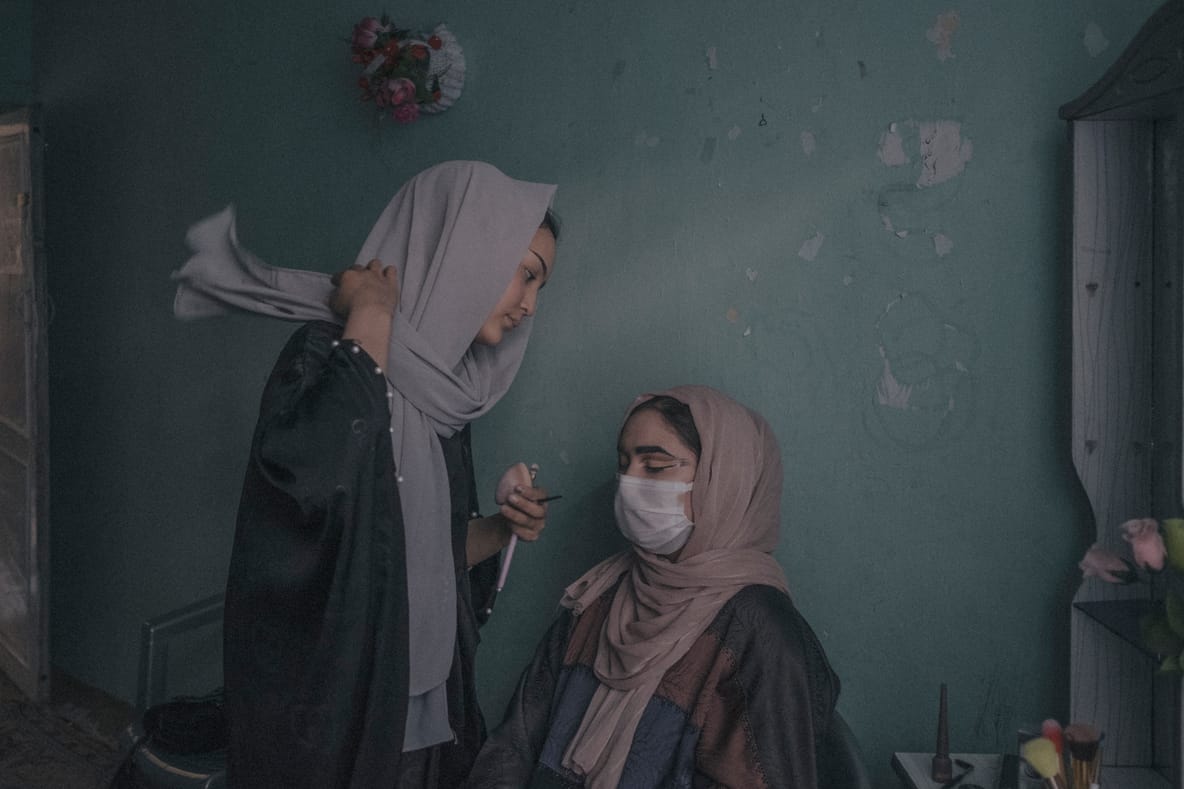
Hawa Koroma, a mother from Moyamba District, shares the tragic story of her daughter, Elizabeth, who accidentally ingested caustic soda used for making African soap at home. On January 6, 2025, while Hawa briefly stepped away, Elizabeth, left near the caustic soda, drank from a cup containing the corrosive substance. She was initially taken to a local government hospital, where she spent seven days before being referred to EMERGENCY Hospital for specialized treatment on January 10, 2025.Women sell homemade African soap at a market in Freetown, crafted primarily using caustic soda. This soap, often produced by local women, is a common household item in Sierra Leone. The name "African soap" reflects its widespread use and cultural significance across the African continent, even though modern versions are often made with caustic soda, which gives the soap a clear appearance. Unfortunately, this can lead to accidental ingestion by children, causing severe internal burns and injuries. Despite the risks, the soap remains an essential part of daily life in many households across the country, with prices typically ranging from 15 to 25 Sierra Leonean leones (approximately $0.50 to $1 USD) depending on the size and vendor.Women dance happily at a house birthday party in Freetown, Sierra Leone, surrounded by the lively sounds of music, which is an integral part of the culture. Music plays a vital role in social events, bringing people together to celebrate, express joy, and strengthen community bonds. Dance and music are key forms of cultural expression in Sierra Leone, often used in celebrations, ceremonies, and gatherings. The music at these events is usually a mix of traditional and modern styles, with lively beats that encourage dancing and celebration. It often blends local rhythms with more contemporary influences, creating a vibrant atmosphere that reflects the diverse cultural landscape of Sierra Leone. Despite the happiness and festivities, many women in Sierra Leone face significant social and cultural struggles.At the so-called "Balcony" of EMERGENCY Hospital in Goderich, women learn how to prepare food for their children who require gastrostomy feeding. This initiative was developed after Isatu, a former patient, and the medical team introduced a new diet to improve nutrition for children with gastrostomies. Each morning, they prepare a mixture of bananas, peanut butter, and rice ensuring the texture is soft and moist enough to be injected through the feeding tube. For lunch, they grind rice together with eggs and carefully adjusting the consistency so it can be administered with a syringe.The mothers of soda patients and burn patients at EMERGENCY Hospital often gather together in the outdoor space of the hospital, where they bond and support each other. One of the common activities they engage in is plaiting each other's hair. This shared moment of care and conversation provides them with a sense of community and relief from the challenges their children face, offering emotional support as they navigate the difficult journey of recovery.Since the parents must stay at the hospital with their children, one parent is required to stay for children under 5. They are provided with food and are taught more about hygiene rules. A clean pink vest is given to them to wear, which helps maintain cleanliness and ensures they adhere to the hospital’s hygiene standards. Additionally, they are trained on how to care for their children when they return home, equipping them with the knowledge they need to continue their children’s recovery. These small acts of togetherness and support help them cope with the trauma while building solidarity in a difficult time.In Freetown, colorful posters line the walls, each reflecting Sierra Leone’s social and economic realities. One advertises a religious prophet conference, promising spiritual renewal while addressing the growing hardships faced by the population. As poverty, unemployment, and instability continue to rise, many people turn to faith for hope, guidance, and a sense of control in an uncertain environment. Nearby, another poster announces a special training session for women, aimed at providing practical skills and new opportunities. A more vibrant poster promotes an upcoming beach party, filled with music and celebration. In a society weighed down by daily struggle, social events provide moments of relief, connection, and shared joy, reinforcing the importance of community and escape. A family in Waterloo produces African soap using caustic soda. They make the soap by mixing caustic soda with water and palm oil. Every day, they use a 25kg bag of caustic soda mixed with five small barrels of palm oil, producing 26 bars of soap. These bars are usually sold within two days to local women, who then resell them at markets.In addition to soap, they also produce shampoo and laundry soap using the same process, with only the consistency varying. They add a few drops of essence to give the soap a mild fragrance; otherwise, it would have an unpleasant smell. All the children help in the family business, contributing to the production and sale of the soap. With the income of about $450 per month, the family is able to pay for their children's education in a private school, which is more expensive but offers a better education system compared to public schools. They started the business a year ago, and since then, the father, a former driver, has not returned to work.A view of the Funkia landfill shows a large number of pigs roaming freely, feeding on various types of waste. At the edge of Funkia, by the sea, this landfill has become a common and cost-effective way for locals to raise pigs. The pigs are mainly raised for major celebrations such as Christmas, Easter, and New Year's Eve, when pork is in high demand. Despite the poor conditions in which they are kept, the pigs provide an important source of income for many families in the area. Funkia, located about 20 kilometers (13 miles) from Freetown, is part of the Western Area Rural District of Sierra Leone. Although Goderich is known for its more affluent areas, Funkia is home to a dense and growing population of over 5,000 people. The community, situated along the Atlantic Ocean, is a fishing hub where men primarily work as fishermen, while women engage in petty trading. Despite its economic activity, Funkia faces significant challenges, including overcrowding, poor housing conditions, and a lack of infrastructureAminata's story is unfortunately not uncommon in Sierra Leone. She arrived at EMERGENCY Hospital after a tragic incident where, overwhelmed by personal struggles, she attempted to kill herself and harm her one-year-old son, Mohammed, by ingesting caustic soda. This kind of distress is often linked to the extreme pressures faced by many women in Sierra Leone, including domestic violence, poverty, and the absence of adequate support systems.Violence against women is a pervasive issue in Sierra Leone, and many women endure physical and emotional abuse within their homes, often without access to resources or protection. These struggles, combined with societal expectations, can lead to devastating outcomes like Aminata’s. The ingestion of caustic soda causes severe damage to the esophagus and digestive system, making it necessary for patients like Aminata to rely on a gastrostomy tube for nutrition.